Nov 6 2009
Researchers at Yale University have developed synthetic molecules capable of enhancing the body's immune response to HIV and HIV-infected cells, as well as to prostate cancer cells. Their findings, published online in the Journal of the American Chemical Society, could lead to novel therapeutic approaches for these diseases.
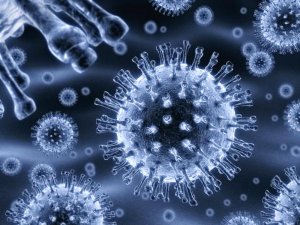 Artist's rendering of viruses. Scientists have developed synthetic molecules capable of enhancing the body's immune response to HIV and HIV-infected cells, as well as to prostate cancer cells. (Credit: iStockphoto/Henrik Jonsson)
The molecules -- called "antibody-recruiting molecule targeting HIV" (ARM-H) and "antibody-recruiting molecule targeting prostate cancer" (ARM-P) -- work by binding simultaneously to an antibody already present in the bloodstream and to proteins on HIV, HIV-infected cells or cancer cells. By coating these pathogens in antibodies, the molecules flag them as a threat and trigger the body's own immune response. In the case of ARM-H, by binding to proteins on the outside of the virus, they also prevent healthy human cells from being infected.
"Instead of trying to kill the pathogens directly, these molecules manipulate our immune system to do something it wouldn't ordinarily do," said David Spiegel, Ph.D., M.D., assistant professor of chemistry and the corresponding author of both papers.
Because both HIV and cancer have methods for evading the body's immune system, treatments and vaccinations for the two diseases have proven difficult. Current treatment options for HIV and prostate cancer -- including antiviral drugs, radiation and chemotherapy -- involve severe side effects and are often ineffective against advanced cases. While there are some antibody drugs available, they are difficult to produce in large quantities and are costly. They also must be injected and are accompanied by severe side effects of their own.
By contrast, the ARM-H and ARM-P molecules, which the team has begun testing in mice, are structurally simple, inexpensive to produce, and could in theory be taken in pill form, Spiegel said. And because they are unlikely to target essential biological processes in the body, the side effects could be smaller, he noted.
"This is an entirely new approach to treating these two diseases, which are extraordinarily important in terms of their impact on human health," Spiegel said.
HIV is a global pandemic that affects 33 million people worldwide, while prostate cancer is the second leading cause of cancer-related death among American men, with one out of every six American men expected to develop the disease.
Funding for this research was provided by the National Institutes of Health.