Researchers at Karlstad University synthesized a novel cellulose nanomaterial that employs a specialized Fenton oxidation process. This method utilizes the reaction between hydrogen peroxide and iron ions to precisely degrade cellulose fibers. Subsequent mechanical treatment further refines these fibers, resulting in a highly "frayed" morphology at the micron scale. The study was published in Bio Resources.
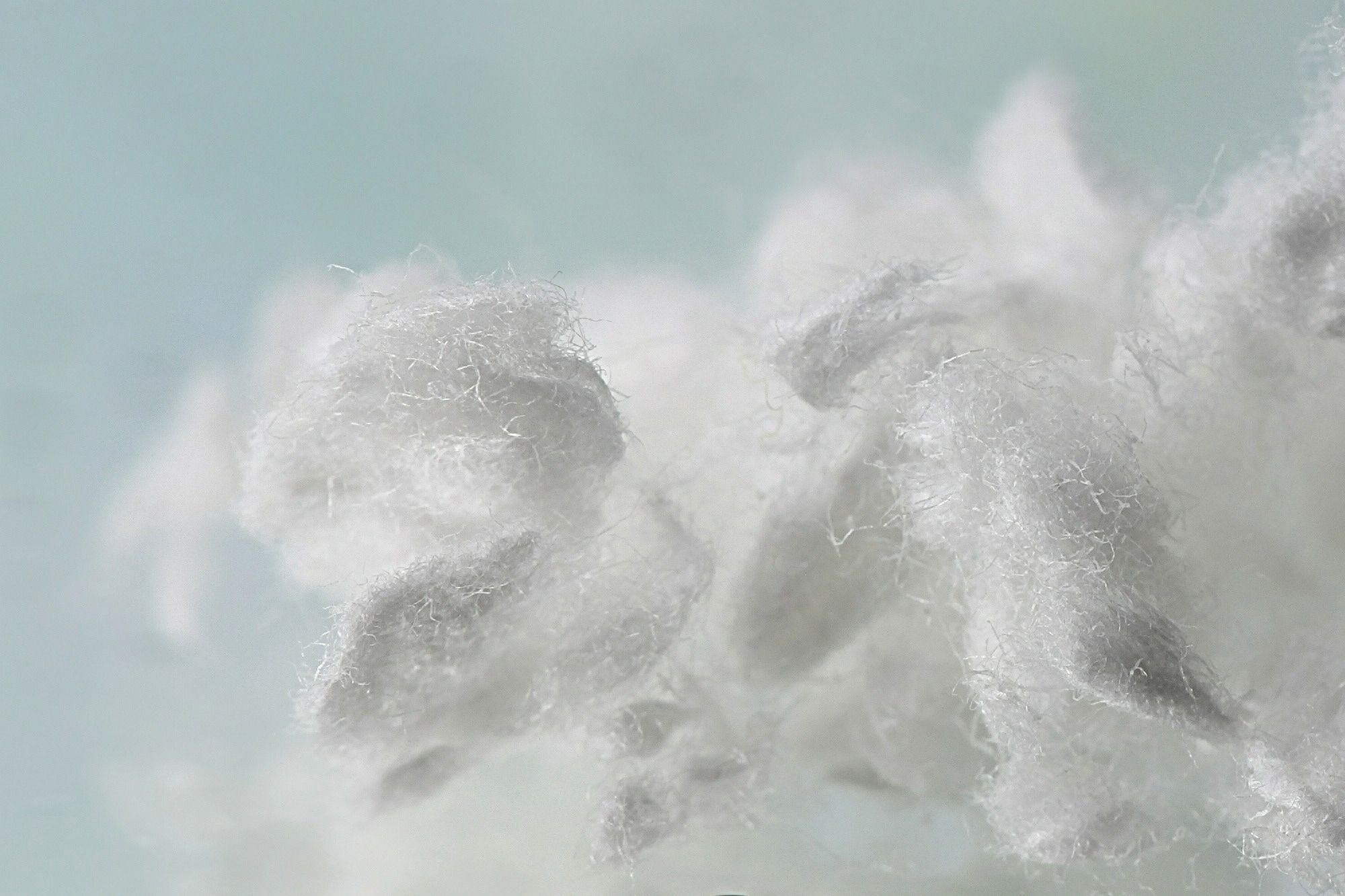
Image Credit: Henri Koskinen/Shutterstock.com
In my doctoral project I focus on new processes and new applications of different types of nanocellulose. An obvious area is barrier coatings and films for paper and packaging. Another could be applications in coatings for separator membranes in batteries.
Morassa Raouf, PhD Student, Chemical Engineering, Karlstad University
Microscopic imaging provided clear evidence of structural differentiation between untreated wood fibers and those subjected to the Fenton process. The treated fibers exhibited a more dissolved structure, enhancing their utility in novel material formulations.
Further investigation involved analyzing fiber behavior during water flow. Measurements revealed an increase in negative charges and attributed to the formation of new carboxyl groups. These charges are critical for ensuring uniform dispersion and stability of the nanofibers. Infrared spectroscopy confirmed the presence of these newly formed carboxyl groups.
Improvements in Material Density
The novel material was applied as an additive-free coating on paper substrates. Analysis of the coated surfaces demonstrated enhanced material density, which translates to improved barrier functions for paper, such as resistance to moisture.
In summary, the results show that Fenton oxidation is an effective method for creating small-scale, high-quality cellulose materials with tailored properties. It opens the door to new applications in sustainable coatings and green materials technology.
Morassa Raouf, PhD Student, Chemical Engineering, Karlstad University
Fenton oxidation is defined as a chemical process where hydrogen peroxide reacts with iron ions to generate highly reactive hydroxyl radicals. These radicals are capable of breaking down organic substances, making them useful in applications like water purification from pollutants.
Journal Reference:
Raouf, M., et al. (2025) Hardwood-derived Cellulose Nanofibrils and Micro-Fibrillated Cellulose via Fenton Pretreatment: Issues of Fiber Fragmentation and Coating Performance. BioResources. https://ojs.bioresources.com/index.php/BRJ/article/view/25140