Researchers compared free and graphene-bound manganese oxide in a human lung cell model to see how material design, degradation, and exposure shape molecular toxicity.
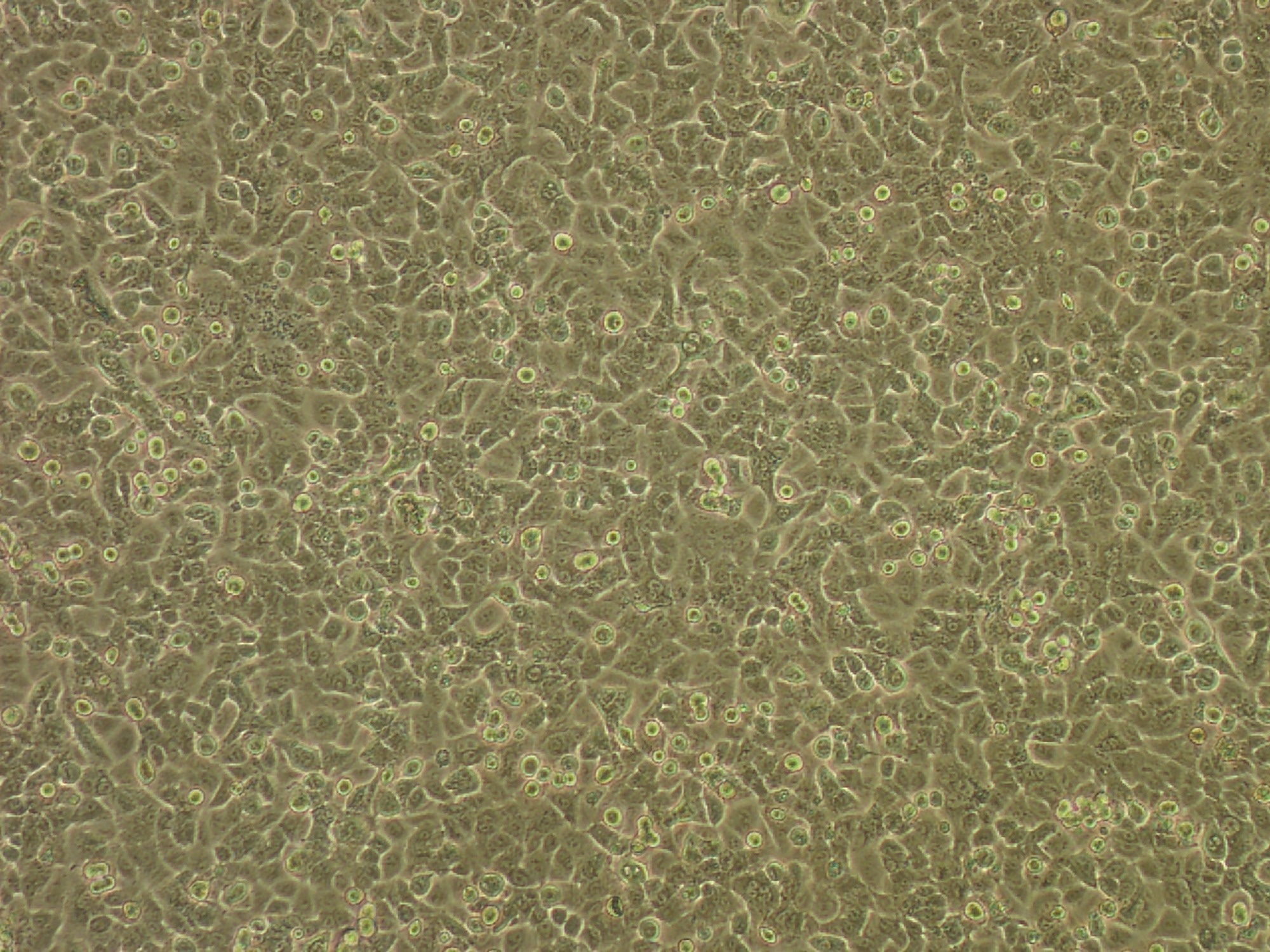
Paper: MnOx nanoparticles cause broad transcriptomic deregulation in A549 cells, unlike graphene-MnOx composites. Image Credit: Pic090 / Shutterstock
A study recently published in the journal Scientific Reports used comparative transcriptomics to investigate the toxicogenomic effects of manganese (Mn)-based nanomaterials on the A549 human lung adenocarcinoma cell line.
The Toxicity Challenge
Nanomaterials pose unknown but significant health risks, particularly in occupational settings, because of their reactivity and nanoscale size. Nanomaterials formed by hybridizing carbon-derived nanoforms with transition metal oxides (TMOs) have attracted significant attention for their optoelectronic, magnetic, and catalytic properties.
Functionalizing carbon-based nanomaterials can create toxicity concerns when attached groups are released through biological or physical degradation. Internalization and degradation of nanoparticles can release ions that interfere with cellular metal homeostasis.
High-resolution omics methods, such as transcriptomics, can show how foreign substances affect gene activity in human cells. Studies of carbon nanomaterials across A549, BEAS-2B, and THP-1 cells, and of metallic nanoparticles in BEAS-2B cells, have reported changes in inflammatory responses.
The same methods can help identify mechanisms triggered by TMO-functionalized carbon-based nanomaterials. For example, Mn-containing carbon matrices may produce combined toxicity. Mn can damage dopamine-related cellular systems and, at high concentrations, react with hydrogen peroxide to produce reactive oxygen species (ROS).
Graphene can also trigger inflammatory responses, autophagy, and apoptosis, and its toxicity depends on size, shape, oxidation state, contaminants, and functional groups.
Investigating the Toxicogenomic Effects
The researchers used toxicotranscriptomics to study the toxicological response of A549 human lung adenocarcinoma cells, using an in vitro lung model to examine effects relevant to inhalation exposure. The RNA-seq analysis followed a 24-hour exposure.
They exposed the cells to pristine graphene-MnOx composites (GNA15), experimentally degraded graphene-MnOx composites (GNA15d), and free MnOx nanoparticles (GNA35).
The A549 cells were maintained at 37 °C in a humidified 5% carbon dioxide environment using standard culture medium. During the exposure assay, fetal bovine serum was reduced from 10% to 1%.
Cells received 20 mg L-¹ GNA35 or 40 mg L-¹ GNA15 or GNA15d, with three biological replicates per condition. These concentrations provided equivalent MnOx content across treatments. The authors produced GNA15d by subjecting GNA15 suspended in ultrapure water to intensive pulsed ultrasonication for three hours, creating an experimentally degraded material for comparison with the pristine composite.
The nanomaterial stocks were divided into smaller aliquots and briefly sonicated before use to maintain consistent suspensions. The tested concentrations exceeded those commonly reported in occupational settings. The authors state that exposure peaks during dry graphene handling and cumulative deposited doses may narrow that gap.
Based on earlier findings, the researchers expected GNA15 and GNA15d to produce fewer molecular changes than free MnOx nanoparticles. They tested whether immobilizing MnOx on graphene could substantially limit the effects seen with free metal oxide nanoparticles and whether that attenuation would remain after experimental degradation of the composite.
The comparative transcriptomics study examined how A549 cells reacted to GNA15, GNA15d, and GNA35 under conditions intended to inform research into inhalation-related occupational risks.
Comparing Toxicological Responses
Cells exposed to free MnOx nanoparticles showed a starkly different transcriptional response than those treated with immobilized nanoparticles, GNA15 and GNA15d. GNA35 produced far more extensive deregulation of gene expression, with 10,329 differentially expressed genes compared with 399 for GNA15 and 435 for GNA15d.
GNA35 caused extensive transcriptomic deregulation across several pathways, including substantial enrichment in processes linked to cellular stress and apoptosis. Compared with GNA35, the degraded and pristine graphene-MnOx nanocomposites produced far fewer transcriptional changes and much less gene-expression disturbance under these conditions.
The transcriptional evidence supports the view that immobilizing MnOx on graphene reduces the molecular perturbation associated with free MnOx under these experimental conditions. The degraded composite also caused far less transcriptomic change than GNA35, though the authors caution that GNA15d produced a stronger ROS response than intact GNA15, leaving possible long-term concerns to be tested.
The authors state that all three nanomaterials elicited toxic responses in A549 cells. They caution that long-term effects, especially for GNA35, may be underestimated when only classical assays are used.
RNA-seq analysis revealed gene-expression changes consistent with disruption of fundamental cellular processes, including protein synthesis and general metabolic activity, based on functional annotation and KEGG pathway mapping.
These findings suggest a possible course toward reduced viability and cellular dysfunction over time. The authors say longer exposure studies are needed to test that possibility. They also identify the 24-hour exposure period and the 2D monoculture as major limitations.
RNA-seq alone cannot prove that apoptosis, inflammatory, oxidative stress, or cancer-related signaling pathways were functionally activated, so protein-level analyses and targeted functional assays are needed to test those mechanisms.
The authors report that transcriptome-based assessments detected molecular effects that standard viability tests may underestimate, and that immobilizing MnOx in graphene may offer a useful design approach for reducing nanotoxicity. The study does not establish that these materials are safe for occupational handling, and the authors call for longer exposures and more complex lung models before broader safety conclusions are drawn.
Disclaimer: The views expressed here are those of the author expressed in their private capacity and do not necessarily represent the views of AZoM.com Limited T/A AZoNetwork the owner and operator of this website. This disclaimer forms part of the Terms and conditions of use of this website.
Source:
- González-Plaza, J. J. et al. (2026). MnOx nanoparticles cause broad transcriptomic deregulation in A549 cells, unlike graphene-MnOx composites. Scientific Reports, 16, 37095. DOI: 10.1038/s41598-026-68596-2, https://www.nature.com/articles/s41598-026-68596-2