In this interview, Michael Bell, CEO and Managing Director of First Graphene Ltd, discusses how the company is working to turn graphene’s long-discussed potential into a commercial reality. Two decades on from its discovery, the material is finally moving beyond its promise, toward practical, scalable adoption. Bell reflects on First Graphene’s progress to date, the industries where adoption is accelerating, and the supply chain advantages that could help the company scale.
Saving this interview for later? Download a PDF here.
Please can you introduce yourself and your role, and outline your path to First Graphene?
I am the CEO and Managing Director of First Graphene Ltd (ASX:FGR), where I lead the company’s strategy to scale the commercial adoption of high-performance graphene materials.
My career has been deliberately diverse, spanning industries including electronics, software, shipbuilding, defense, and now advanced industrial materials. A consistent theme throughout has been stepping into leadership roles across very different sectors and adapting quickly to distinct commercial, technical, and operational challenges.
That breadth of experience has been invaluable. It has allowed me to build a well-rounded perspective on how different industries operate - from fast-moving, high-growth technology environments through to more complex, heavily engineered industrial sectors. In particular, my background in electronics and software has shaped how I think about scalability, speed to market, and innovation cycles.
Those combined experiences are highly relevant to First Graphene’s position today. We are effectively introducing a new class of material into established industries, which requires not just technical capability, but also an understanding of how to navigate different market dynamics, accelerate adoption, and translate innovation into commercial outcomes.
Graphene has held promise for years, but actually seeing scalable outcomes is less common. Do you think that is changing?
Yes - very clearly.
The challenge with graphene has never been its potential but rather matching the right material specifications to a very broad range of applications. What we’re now seeing is a shift from exploration to execution.
There is a growing number of scientifically validated, real-world performance improvements, and importantly, an increasing conversion of trials into commercial products. That’s a key inflection point. The market is moving beyond hype into measurable outcomes - and we believe First Graphene is at the forefront of that transition.
One of your big selling points is captive access to high-purity raw materials. Why does owning that part of the supply chain matter so much?
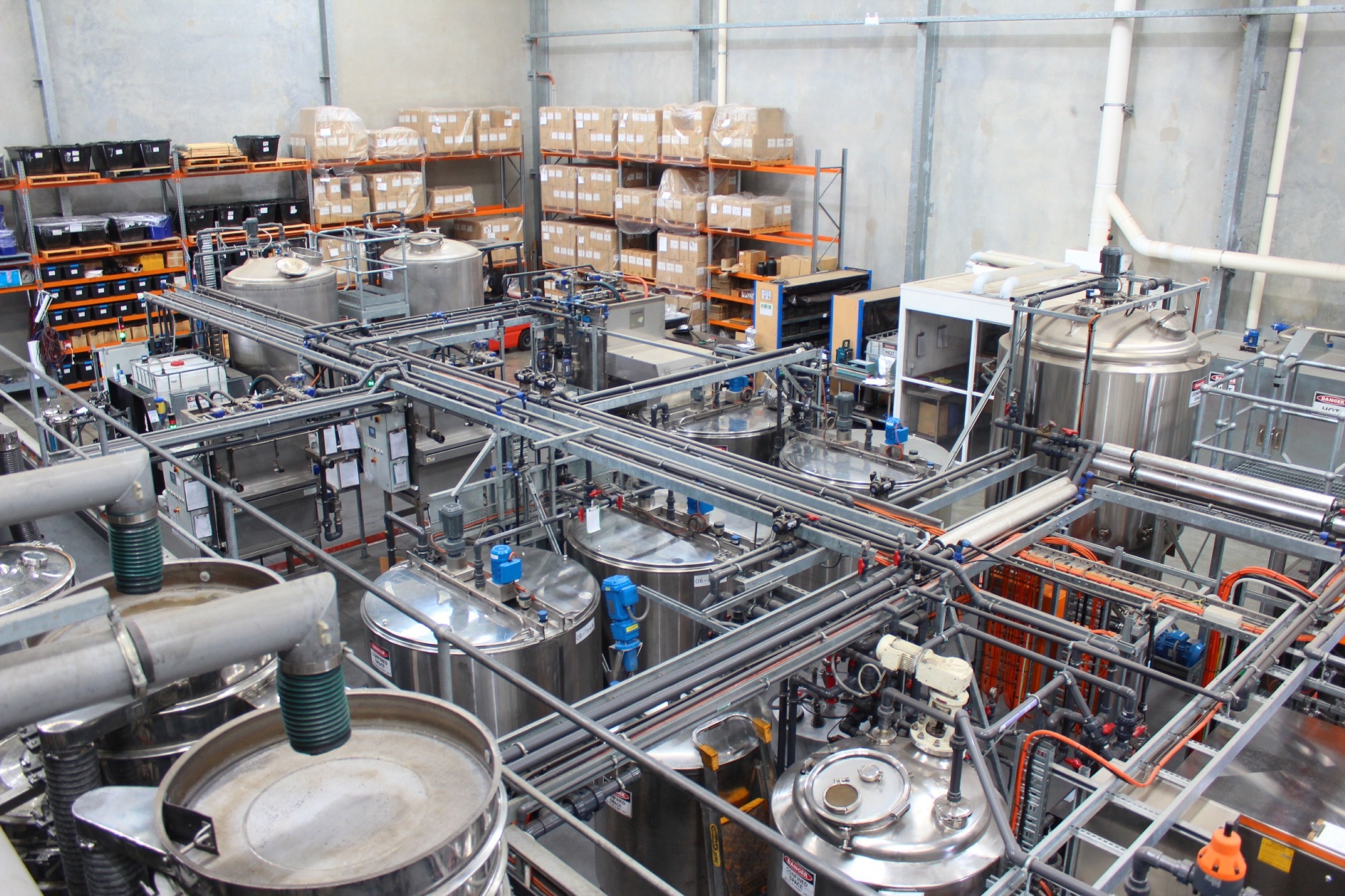 Image Credit: First Graphene Ltd
It’s a critical differentiator.
Owning our upstream raw material supply gives us three key advantages: security, consistency, and scalability. Customers need confidence that supply will be reliable as they integrate graphene into their products, and that the material will perform consistently batch to batch.
Just as importantly, it removes a major bottleneck to growth. We are not constrained by third-party supply, which means we can scale production in line with demand. That positions us strongly as customers move from development to full commercial rollout.
Which of your application areas is gaining the most traction right now?
We’re seeing strong progress across all of our key segments - composites, coatings, elastomers, fire retardancy, construction, and energy storage.
Cement and concrete represent the largest long-term opportunity by volume, but they also come with longer adoption cycles typical of heavy industry.
In contrast, sectors like composites, coatings, elastomers, and fire retardancy are moving more quickly and are currently delivering some of the most immediate commercial traction. It’s a balanced pipeline, with both near-term wins and significant long-term scale opportunities.
What are the main barriers stopping wider adoption of graphene across industry?
The primary barrier is risk perception.
Most industries are cautious by nature, and companies are reluctant to be first movers when introducing new materials. Even with strong data, there is hesitation around integration, validation, and long-term performance.
However, once early adopters demonstrate success, adoption accelerates quickly. We are already seeing that effect - each successful commercial deployment reduces perceived risk and shortens the pathway for others to follow.
You have a site at the Empress Business Center in Manchester. What role does that site play in your broader strategy?
Our Manchester facility is strategically important on two fronts.
Firstly, it strengthens our R&D capability, allowing us to collaborate within one of the world’s leading materials science ecosystems. Secondly, it supports our commercial expansion across the UK and Europe, giving us proximity to customers and partners in key markets.
It’s both an innovation hub and a commercial foothold in a region that is highly relevant to the future of advanced materials.
What would need to happen for graphene to move from a specialist material to something industries routinely build into products?
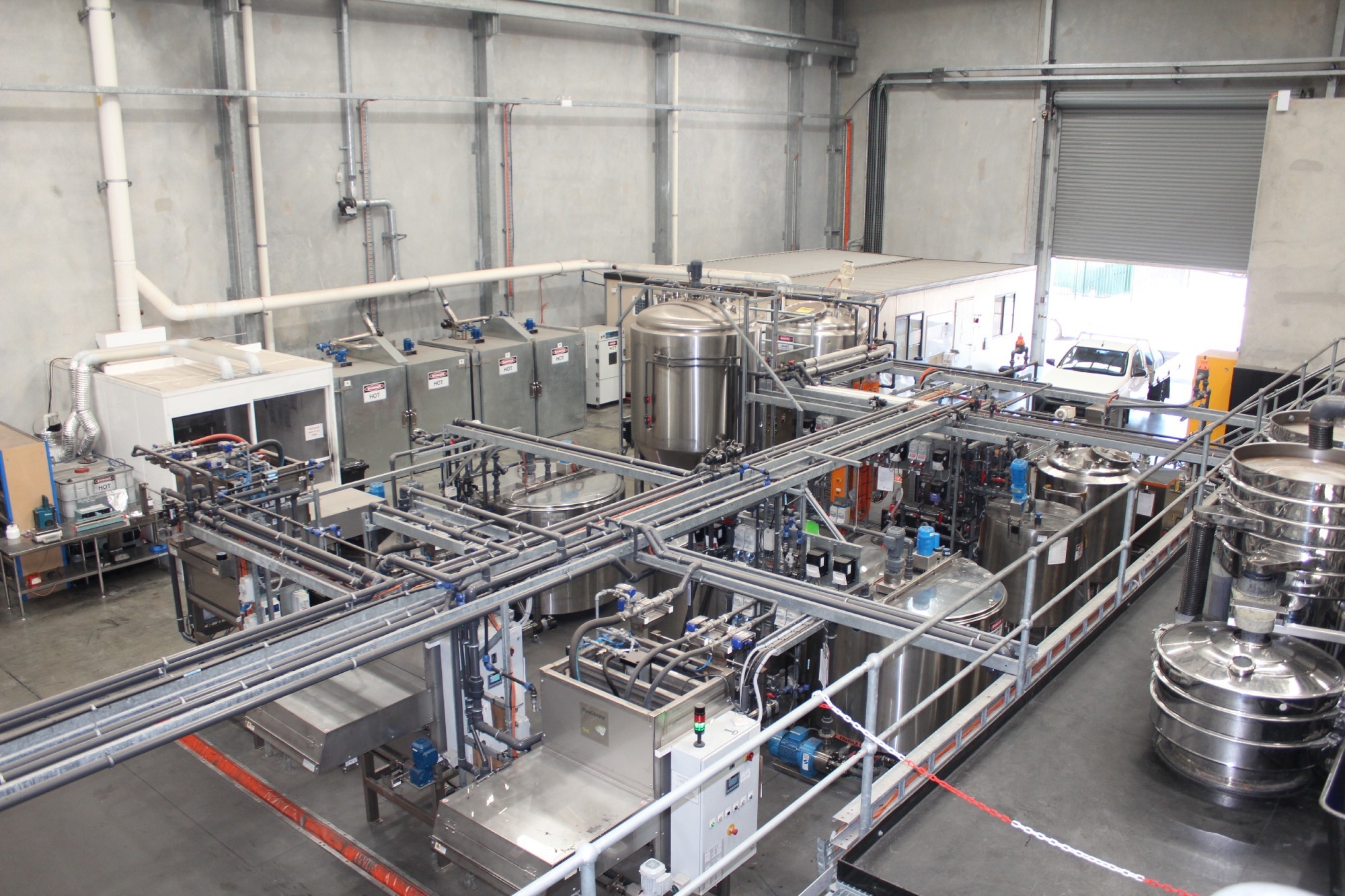 Image Credit: First Graphene Ltd.
That transition is already underway.
What will accelerate it further is continued demonstration of clear, measurable value - performance improvements that justify integration at scale. As more industries see consistent results, graphene becomes less of a specialist material and more of a standard additive.
We’re moving into that phase now, where adoption is being driven by commercial benefit rather than curiosity.
Can you point to an encouraging example where graphene is already making a measurable commercial difference?
There are already multiple commercial examples across diverse industries.
We’re seeing graphene deliver tangible performance improvements in areas such as footwear, coatings, polymers, concrete, and even swimming pool infrastructure. These are real-world products where durability, strength, and efficiency are being enhanced.
What’s particularly encouraging is not just individual successes, but the breadth of applications. It demonstrates that graphene is not limited to niche use cases - it has wide-reaching, scalable commercial relevance today.
About Michael Bell
Michael has over 20 years of experience in engineering and business management and significant international experience driving business growth.
He joins First Graphene from Singapore-based ST Engineering Group, where he served as Senior Vice President.
Michael has also held roles as Director at Navman Wireless, a global Telematics company acquired by Danaher Corporation, and as General Manager at Singapore-based shipbuilder Strategic Marine.
Disclaimer: The views expressed here are those of the interviewee and do not necessarily represent the views of AZoM.com Limited (T/A) AZoNetwork, the owner and operator of this website. This disclaimer forms part of the Terms and Conditions of use of this website.